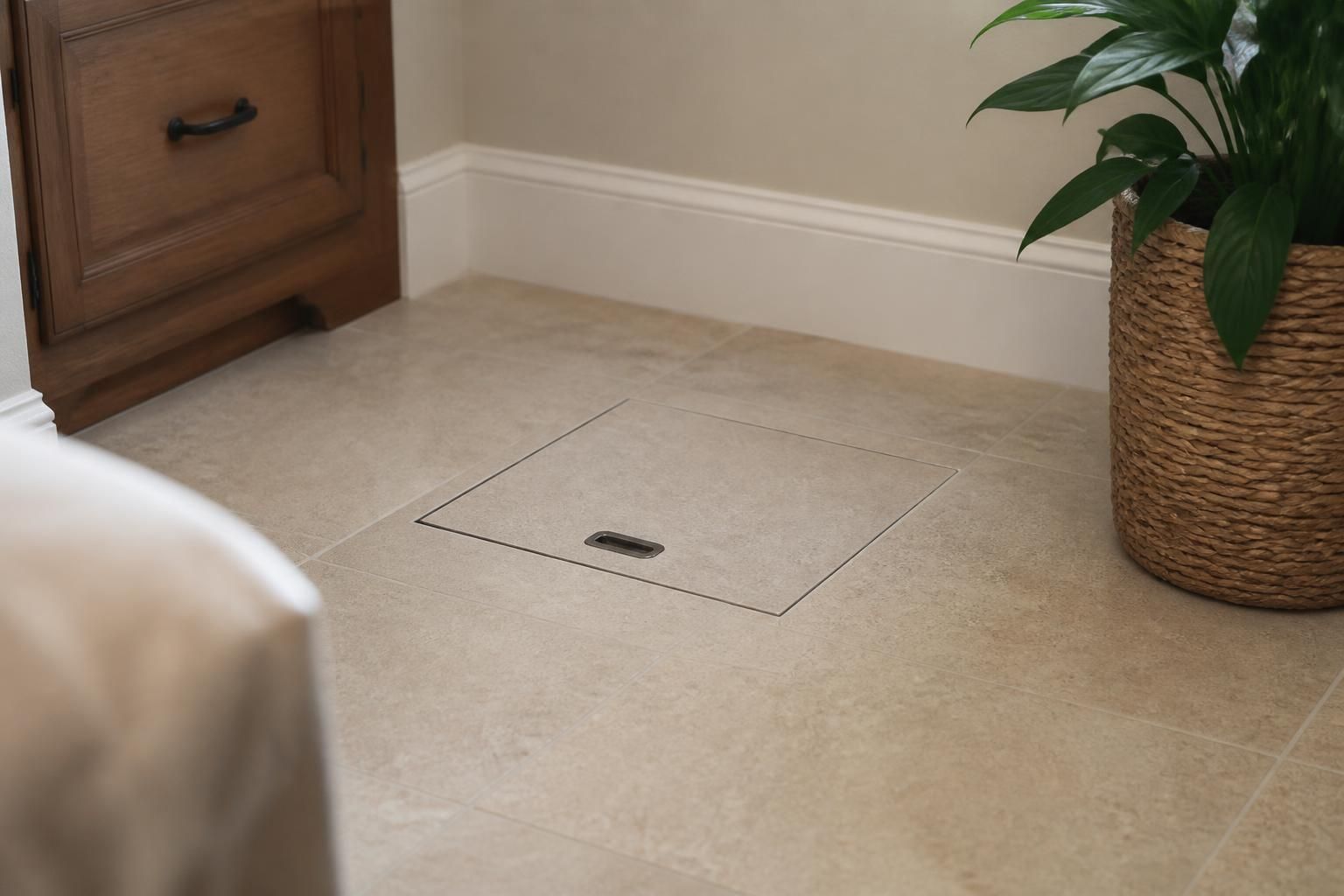
A warm spot on the floor, a sudden jump in water use, or the sound of running water when every fixture is off can point to a slab leak. These leaks often stay hidden under concrete, which means the damage can spread before the problem becomes obvious.
If you notice damp flooring, cracked tile, low water pressure, or a musty smell near the slab, T.F. & Sons Plumbing and Heating can help with slab leak detection and repair across NY. We look for the source, explain what we find, and move toward a repair that fits the condition of the line and the home.
Slab leaks do not always announce themselves with standing water. More often, the clues are subtle at first and easy to dismiss. Paying attention to small changes can help limit structural damage and reduce the amount of concrete that may need to be opened later.
If any of these symptoms show up together, it is worth having the line checked before the leak grows harder to trace. T.F. & Sons Plumbing and Heating handles slab leak detection with a focus on finding the source rather than guessing at the problem.
Slab leaks usually come from wear, movement, or corrosion affecting a water line beneath the concrete foundation. The leak may start small, but pressure, temperature shifts, and continued use can enlarge the opening over time.
Over time, lines can weaken at joints or bends. A small crack may form and release water slowly beneath the slab, where it collects out of sight.
Corroded pipe sections can thin from the inside, especially where water has been moving through the same path for years. In some homes, a damaged line may also show signs of previous stress or repair attempts.
Minor shifts under the home can stress pipe runs. Pressure changes inside the plumbing can also aggravate a vulnerable section until a leak develops.
Finding a slab leak takes a methodical approach. The goal is to narrow the problem without creating unnecessary openings in the floor or wall. We start with the symptoms you have noticed, then trace the line through the home and check the conditions that point toward the leak area.
This careful process matters because slab leaks can create secondary damage fast. The sooner the source is identified, the sooner the repair can be targeted and the surrounding area protected.
Every slab leak is different. Some are tied to a small damaged section that can be addressed directly, while others involve a longer run with repeated wear. The repair approach depends on the pipe material, the location under the slab, and how much of the line is affected.
When the leak is concentrated in one spot, the damaged section may be repaired after the area is opened carefully. This is often the most direct way to stop water loss and address the source.
If a line has widespread corrosion or repeated trouble, replacement may be the better path. That can help avoid chasing one leak after another through the same aging section.
Sometimes a slab leak is only part of the larger picture. We may also check for pipe repair and replacement needs, water line repair, or corroded pipe conditions that could affect the same system.
When a slab leak is suspected, quick action can help reduce further damage to flooring and surrounding materials. You do not need to diagnose the issue yourself. A few simple steps can make the inspection more useful and help contain the problem while you wait for service.
Clear observations help us focus the search faster. That means less guesswork and a better chance of limiting unnecessary disruption.
A slab leak is more than a plumbing nuisance. Water escaping beneath the foundation can affect flooring, base materials, and the space around the plumbing line. It may also create ongoing water loss that shows up on the utility bill long before the source is visible.
Ignoring the signs can turn a small leak into a broader repair. Damp areas can spread, flooring can shift, and the pipe itself can weaken further. Addressing the leak early helps reduce the amount of repair work needed later and gives you a clearer picture of the condition of the line.
T.F. & Sons Plumbing and Heating serves homeowners across NY and nearby Long Island communities, including Massapequa, Amityville, Merrick, Bellmore, Seaford, Farmingdale, Lindenhurst, Wantagh, Massapequa Park, Bethpage, Hicksville, and Levittown. If your home shows signs of a slab leak, we can help identify the source and discuss the next step for repair.
For homeowners who need support with other plumbing concerns at the same time, we also handle leak detection and pipe repair, water line repair and replacement, and toilet repair and installation. When several symptoms appear together, it helps to have one company review the full situation.
Signs such as warm flooring, water meter movement when fixtures are off, and sound from below the floor can point toward a leak under the slab. A direct inspection helps confirm the source.
Yes. Water beneath the concrete can reach tile, wood, or other flooring materials and may lead to visible changes like soft spots, cracks, or dampness.
No. Many begin with small, hidden signs such as a faint sound, pressure change, or a slight damp area. Visible water often appears later.
Look for floor warmth, moisture, cracks, musty smells, and whether the meter moves when no water is being used. These details help narrow the search.
Yes. Even newer lines can develop issues from a fitting problem, stress point, or damage under the slab.
We review the leak location, explain the condition of the pipe, and discuss the repair path that fits the home and the affected line.
If you suspect a slab leak at your home, contact T.F. & Sons Plumbing and Heating for slab leak detection and repair in NY. Call (516) 669-5558 or email service@tfsplumbing.com to set up service and get the leak checked before more damage spreads.

Book Your Visit
Tell us what is happening at your home, and we will help you understand the next step. From a leaking pipe to a boiler issue or water heater concern, we focus on practical solutions and clear updates.